


The Deep is assisting with the global reassessment of marine birds by producing updated global distribution maps of seabird species for integration into BirdLife’s assessments for the IUCN Red List.
Project Overview
The International Union for Conservation of Nature or IUCN for short is the world’s oldest and largest conservation network. The IUCN produce the Red List, a powerful tool for prioritising conservation by assessing the status of species and placing them into various categories based on their risk of extinction, such as Endangered or Vulnerable. BirdLife International is a global partnership of over 100 conservation organisations working to protect birds and is the Red List authority on the world’s 11,000+ bird species. As a result, it has the responsibility of coordinating the assessment of all bird species following the criteria of the IUCN Red List to determine their risk of extinction. To assign each species a Red List category, key pieces of information such as geographic range, population size and current threats are collected by scientists and volunteers around the world.
The Red List assessment of each species occurs approximately every 10 years and the majority of the world’s 365 seabird species are coming up for reassessment, having last been assessed in 2018. Therefore, carrying out the Red List assessments for seabirds is an important aim for BirdLife over the next two years. This is, however, no small task and with time always a factor in species conservation, finding partnerships to help support this process is critical.
Our Involvement
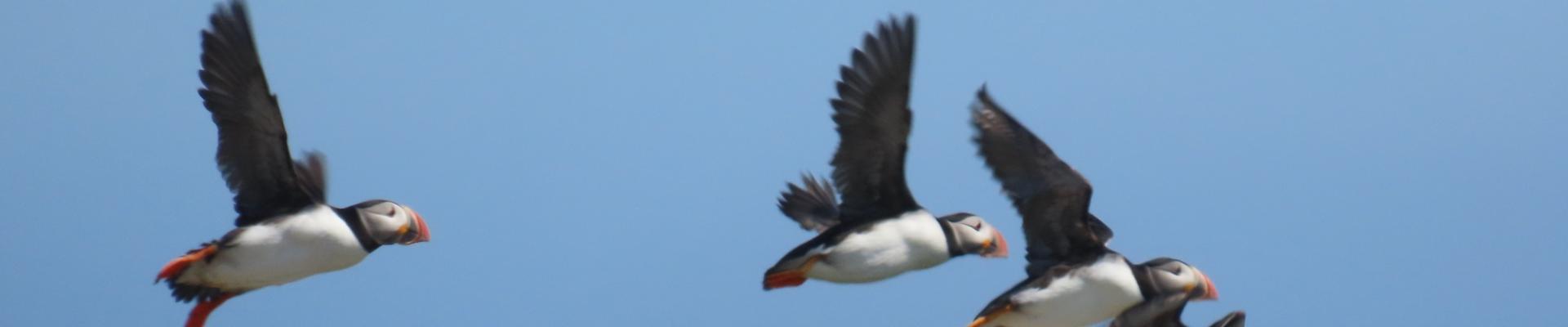
Through our research collaboration, global distribution maps are being updated for species found around the UK coastline such as the Atlantic Puffin, and those further afield such as the Sargasso Shearwater (Atlantic Ocean), Mascarene Petrel (Indian Ocean) and Chatham Island Shag (Pacific Ocean).
Importantly, some of these species, such as the Mascarene Petrel, are Critically Endangered. Therefore, they are of important conservation concern and facilitating the reassessment of these species will promote their conservation and aid their recovery.


